Why No Dairy After Tooth Extraction? Healing, Risks & Foods
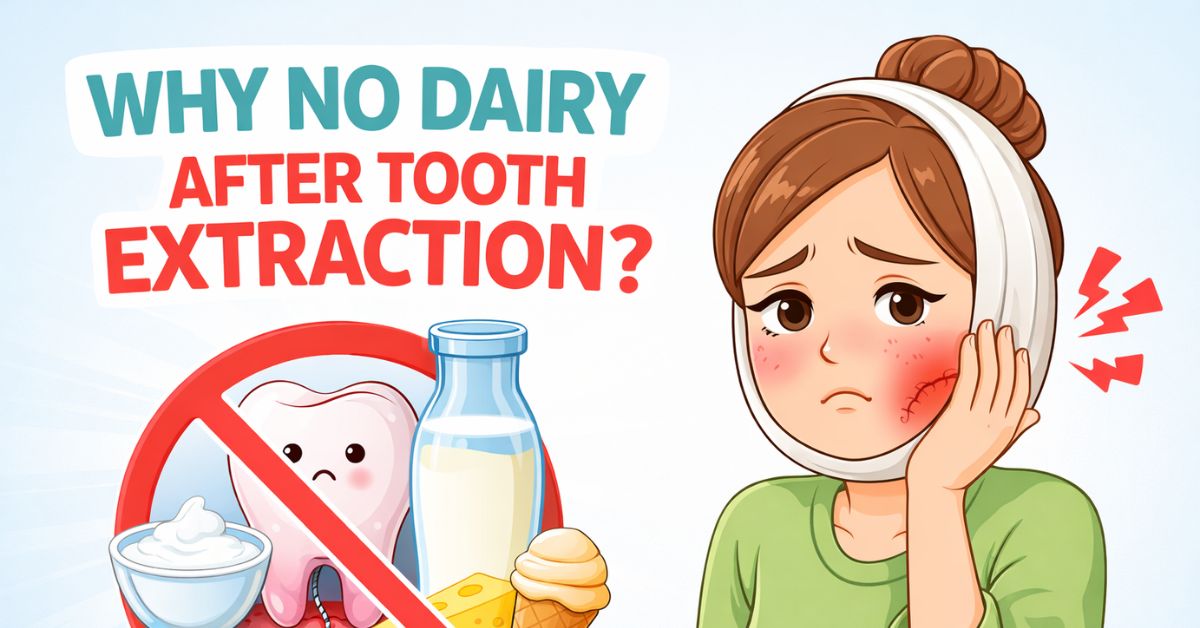
Tooth extraction is a common dental procedure, but the aftercare instructions can sometimes feel confusing—especially when dentists advise avoiding dairy products. Many patients wonder, why no dairy after tooth extraction and whether it truly impacts recovery. The answer lies in how your body heals and how certain foods interact with the extraction site.
After a tooth is removed, your mouth forms a blood clot that protects the underlying bone and nerves. Disrupting this process can lead to complications like dry socket, infection, or delayed healing. Dairy products, surprisingly, may interfere with this delicate healing phase in multiple ways.
Understanding the science behind this restriction helps you make better dietary choices and avoid unnecessary pain. In this article, we’ll break down the reasons, explore safe alternatives, and guide you through a smooth recovery process with expert-backed insights.
1: The Science Behind Avoiding Dairy After Extraction
After a tooth extraction, your mouth becomes highly sensitive and vulnerable. The healing process depends on the stability of the blood clot formed at the extraction site. Dairy products, although nutritious, may not be ideal immediately after surgery.
First, dairy products like milk and yogurt contain bacteria that can potentially increase the risk of infection. While these bacteria are generally harmless in a healthy mouth, an open wound creates an entry point for complications. This is one of the key reasons dentists advise caution.
Secondly, dairy can trigger inflammation in some individuals. Inflammation may slow down the healing process and increase discomfort. For patients already dealing with swelling and soreness, this can make recovery more difficult.
Another important factor is the interaction between dairy and antibiotics. Dentists often prescribe antibiotics after extraction, and dairy products can reduce their effectiveness. Calcium in dairy binds with certain medications, limiting absorption and delaying recovery.
Lastly, dairy products can sometimes cause nausea when combined with pain medications. This can lead to vomiting, which creates pressure in the mouth and may dislodge the healing clot—resulting in a painful condition known as dry socket.
2: Common Risks of Consuming Dairy Too Soon
Key Risks You Should Know
- Increased Infection Risk: Dairy may introduce bacteria into the healing site.
- Delayed Healing: Inflammatory responses can slow tissue repair.
- Medication Interference: Calcium affects antibiotic absorption.
- Nausea and Vomiting: Can disrupt the blood clot formation.
- Dry Socket Development: One of the most painful complications.
Why This Matters
Ignoring dietary restrictions may not seem serious, but even small mistakes can lead to prolonged recovery. Your body needs optimal conditions to heal properly, and avoiding dairy is a simple step that supports that process.
3: Best Alternatives to Dairy After Tooth Extraction
Smart Food Choices for Faster Healing
- Soft Fruits: Bananas, applesauce, and mashed avocados
- Protein Options: Scrambled eggs, soft tofu, or blended legumes
- Hydration: Water, coconut water, and herbal teas
- Soups: Warm (not hot) broths and vegetable soups
- Grains: Oatmeal, mashed rice, or soft pasta
Why These Foods Work
These alternatives are gentle on your gums, easy to chew, and packed with nutrients. They support healing without increasing the risk of complications.
4: When Can You Safely Eat Dairy Again?
Timing Matters More Than You Think
- Most dentists recommend avoiding dairy for at least 24 to 72 hours
- Healing progress varies depending on the complexity of extraction
- Always follow your dentist’s personalized advice
Signs You Can Reintroduce Dairy:
- Reduced swelling
- No bleeding at the extraction site
- Minimal pain or discomfort
Reintroducing dairy too early can undo progress, so patience is key.
5: Expert Tips for a Smooth Recovery
Follow these practical tips to ensure proper healing:
- Avoid using straws, as suction can dislodge the clot
- Stick to lukewarm foods—never hot
- Maintain oral hygiene without disturbing the extraction area
- Take medications exactly as prescribed
- Rest and avoid strenuous activity for at least 24 hours
These small actions can make a significant difference in your recovery journey.
Conclusion
Avoiding dairy after a tooth extraction may seem like a minor detail, but it plays a crucial role in ensuring proper healing. From preventing infection to protecting the blood clot, this simple dietary adjustment can save you from significant pain and complications.
The key takeaway is to follow your dentist’s advice carefully, choose soft and safe foods, and give your body the time it needs to recover. By understanding why no dairy after tooth extraction, you empower yourself to make smarter decisions and enjoy a smoother, faster healing process.
FAQs
1. Why no dairy after tooth extraction?
Dairy can introduce bacteria, interfere with medications, and increase the risk of complications like dry socket.
2. How long should I avoid dairy?
Typically, 24 to 72 hours, but always follow your dentist’s recommendation.
3. Can I eat yogurt after tooth extraction?
It’s best to avoid it initially due to bacterial content and potential irritation.
4. What happens if I accidentally consume dairy?
A small amount may not cause harm, but monitor for discomfort or swelling.
5. What are the safest foods after extraction?
Soft foods like mashed potatoes, soups, and scrambled eggs are ideal.
6. When can I return to a normal diet?
Usually within a few days, depending on healing progress and dentist advice.